ICAR-CIFRI, IWMI and LRRM Empower Sundarban Fishers through Sustainable SIS–Carp Polyculture to Boost Livelihoods and Nutritional Security
22-24 th July, 2026 South 24 Parganas
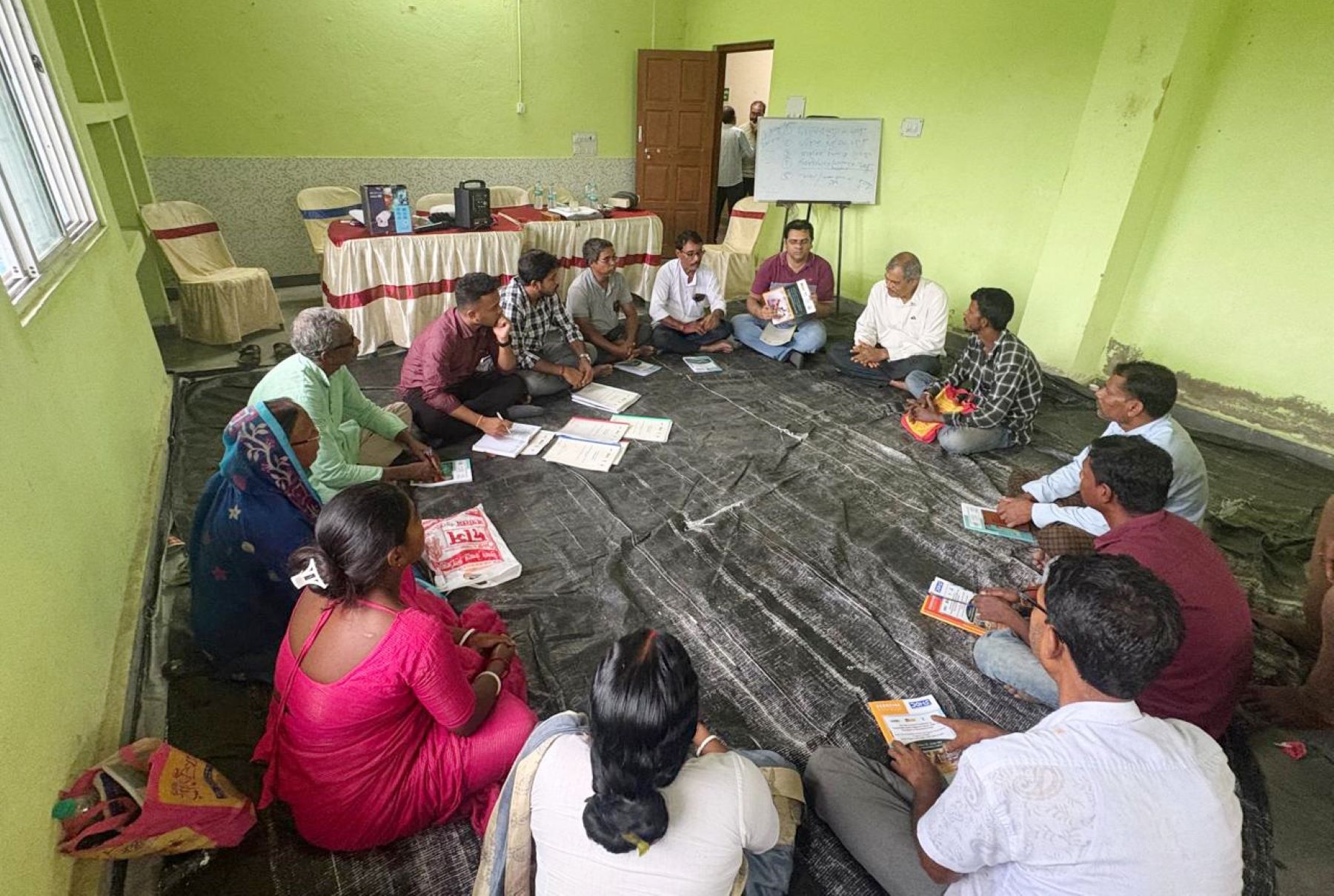
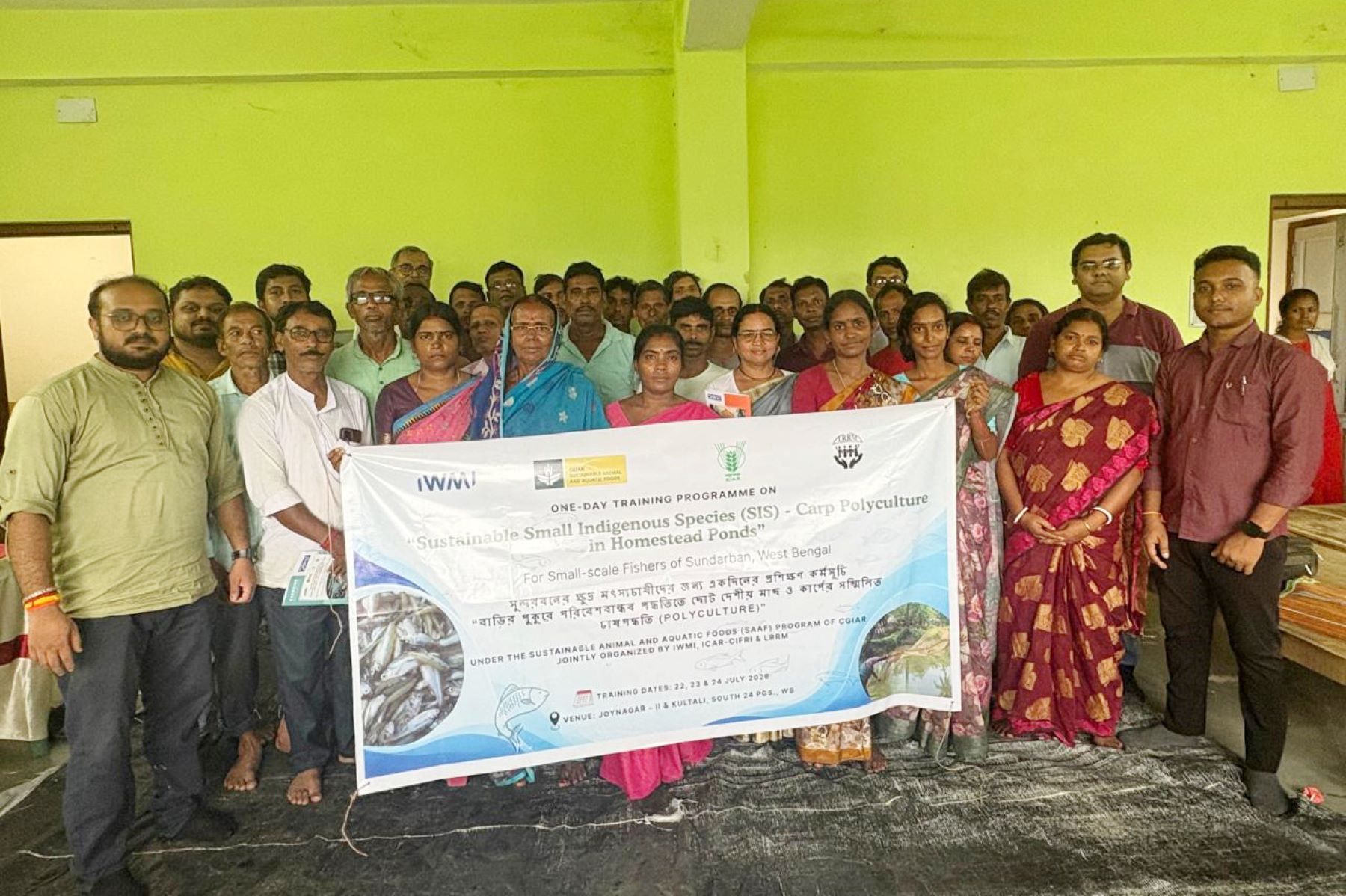
In a significant step towards promoting climate-resilient aquaculture and improving the livelihoods of vulnerable fishing communities, the ICAR–Central Inland Fisheries Research Institute (ICAR-CIFRI), Barrackpore, in collaboration with the International Water Management Institute (IWMI) and Lokmata Rani Rashmoni Mission (LRRM), successfully organized three one-day training programmes on "Sustainable Small Indigenous Species (SIS)–Carp Polyculture in Homestead Ponds" across three locations in the Indian Sundarbans.
The initiative equipped 134 small-scale fishers, including 113 men and 21 women, with scientific knowledge and practical skills to adopt sustainable fish farming practices that can enhance household income, improve food and nutritional security, and build resilience against climate change in the ecologically fragile Sundarbans.
The inaugural and technical sessions were led by Dr. Srikanta Samanta, Head, FRAI Division, ICAR-CIFRI; Dr. Avinandan Taron, International Water Management Institute (IWMI); and Dr. Ranjan Kumar Manna, Head, REF Division, ICAR-CIFRI, along with scientists and technical experts from the collaborating organizations. The experts emphasized the transformative potential of integrating nutrient-rich Small Indigenous Species (SIS) with carp culture in homestead ponds as a sustainable, nutrition-sensitive and economically rewarding aquaculture model for the region.
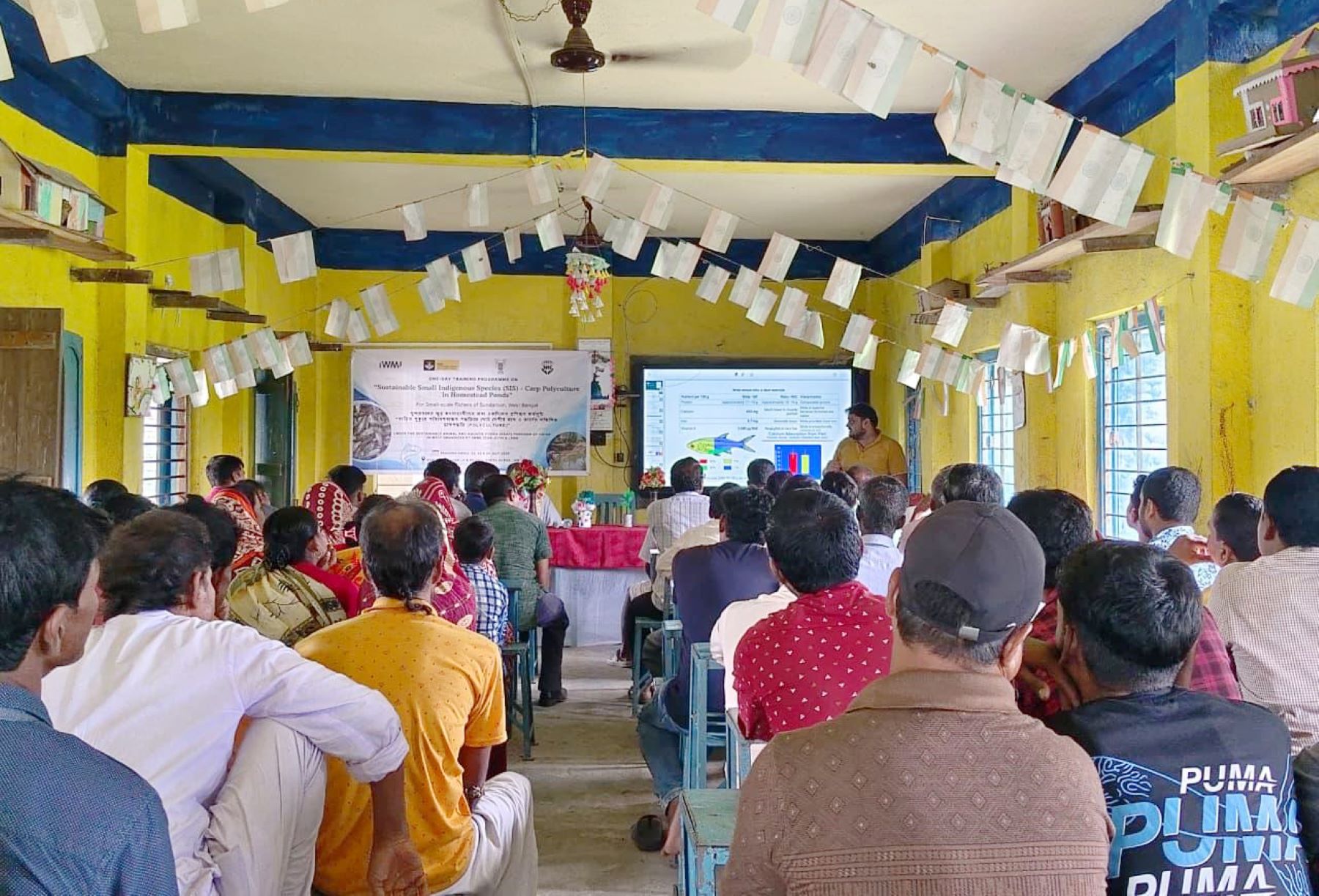
Participants received hands-on training on scientific pond preparation, stocking density, water quality management, feeding strategies, disease prevention and best management practices for SIS–carp polyculture. Special emphasis was placed on the nutritional importance of Small Indigenous Species, which are rich in high-quality protein, vitamins and essential micronutrients, making them an effective tool for combating malnutrition and improving family nutrition. Interactive sessions encouraged farmers to discuss field-level challenges and receive practical, science-based solutions from experts.
Sharing his views on the initiative, Dr. Pradip Dey, Director, ICAR-CIFRI, stated,“The promotion of sustainable SIS–carp polyculture represents a transformative pathway towards achieving nutritional security, climate resilience and sustainable blue growth in ecologically fragile regions such as the Sundarbans. By integrating science-based innovations with strong institutional partnerships and community participation, ICAR-CIFRI is committed to empowering fish farming communities with resilient production systems that enhance productivity, conserve aquatic biodiversity and strengthen rural livelihoods. This initiative reflects our vision of building an inclusive, nutrition-sensitive and climate-smart fisheries sector that contributes meaningfully to the national goals of food security, environmental sustainability and Viksit Bharat 2047."
The enthusiastic response from participants underscored the growing demand for improved aquaculture technologies in rural communities.
The programme concluded with a strong commitment from the fishers to adopt the demonstrated practices, reinforcing the shared vision of ICAR-CIFRI, IWMI and LRRM to accelerate the adoption of sustainable aquaculture innovations. The initiative is expected to contribute significantly to strengthening livelihood opportunities, enhancing food and nutritional security, and building long-term resilience among fishing communities in the Indian Sundarbans.