CIFRI Awards
Barrackpore, West bengal.
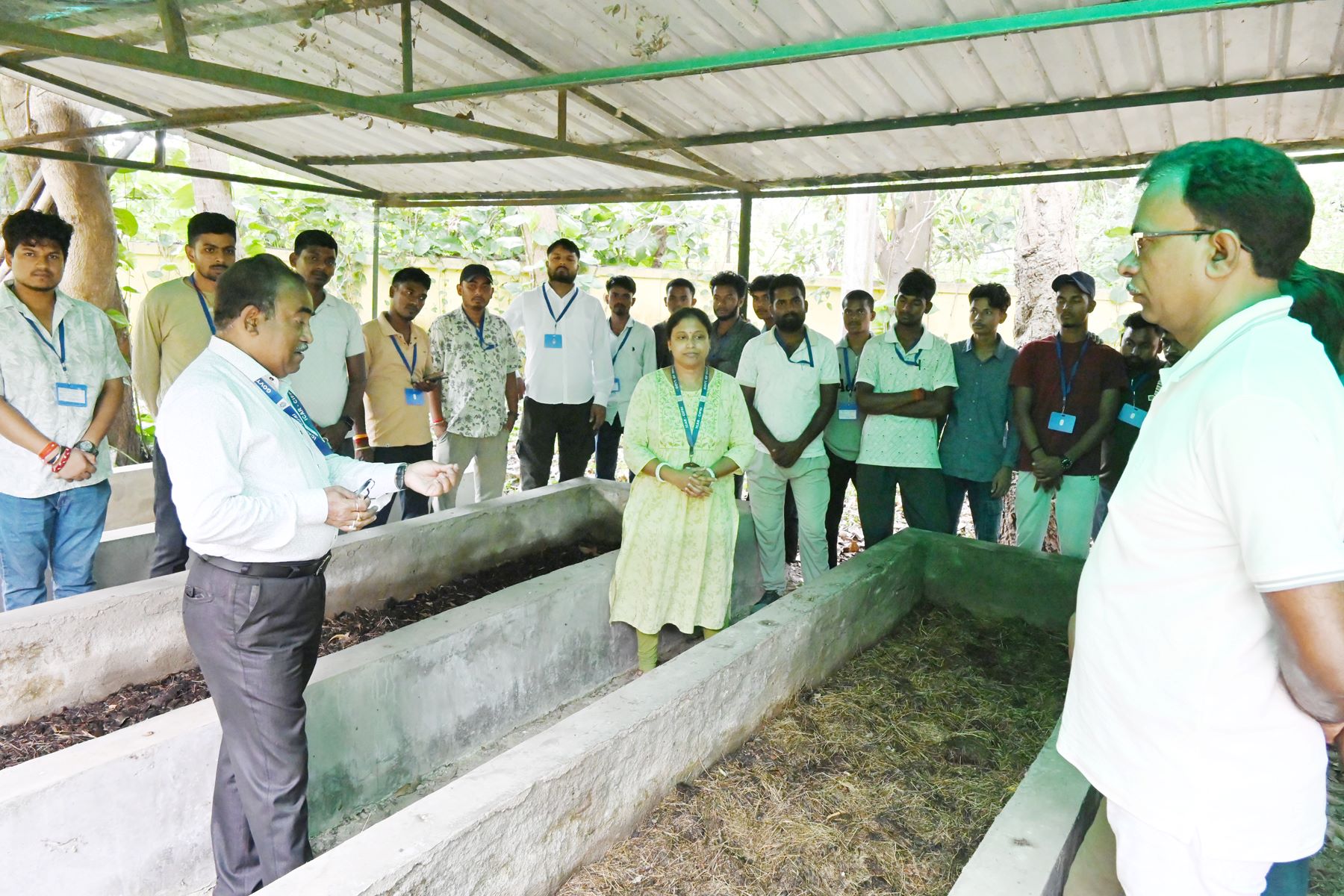
In a significant push towards sustainable aquaculture in line with the Government of India’s campaign on balanced and judicious use of fertilisers, ICAR-Central Inland Fisheries Research Institute (ICAR-CIFRI) has intensified its initiatives on fertiliser substitution through vermicomposting, promoting eco-friendly and resource-efficient nutrient management practices. The Institute is advocating the use of vermicompost and vermi-wash as effective substitutes for chemical fertilisers in pisciculture. Enriched with essential macronutrients—nitrogen (N), phosphorus (P), and potassium (K)—alongside micronutrients and beneficial microorganisms, vermicompost enhances the physical, chemical, and biological properties of soil and aquatic ecosystems. Its application improves nutrient availability, aeration, and water retention, ensuring sustainable productivity while reducing environmental risks.
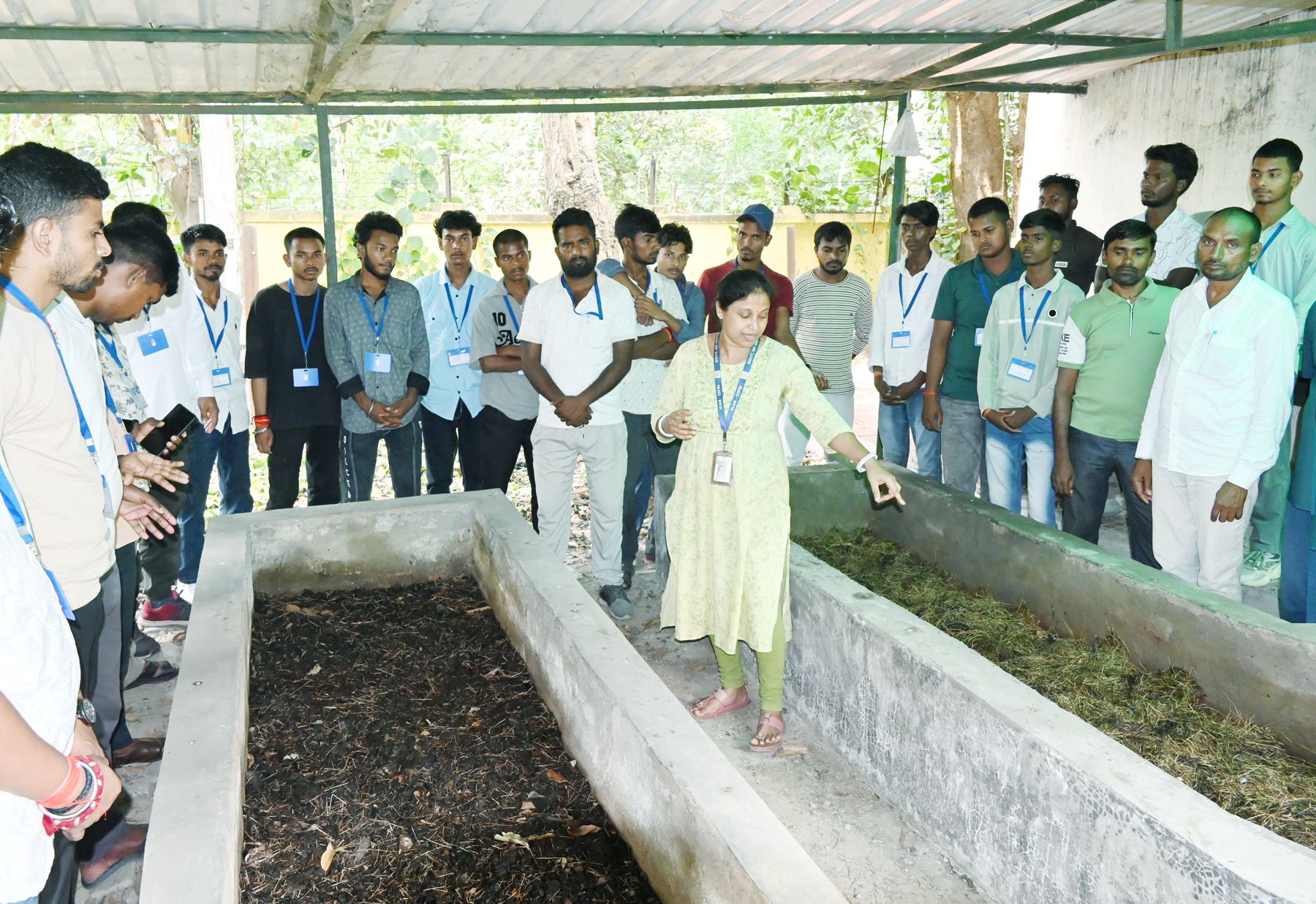
Further strengthening fertiliser substitution strategies, the Institute has developed cost-effective vermicompost-based culture media for freshwater microalgae such as Chlorella and Graesiella, which serve as vital live feed in fish hatcheries. This innovation provides a sustainable and economical alternative to conventional chemical-based media, significantly reducing input costs while maintaining production efficiency. Speaking on the initiative, Dr. Pradip Dey, Director, ICAR-CIFRI, stated, “Fertiliser substitution through vermicomposting is central to achieving balanced nutrient use and ecological sustainability. As we move towards the vision of Viksit Bharat 2047, such nature-based solutions will play a pivotal role in strengthening the Blue Economy. By reducing chemical dependency and enhancing resource efficiency, vermicomposting supports resilient inland fisheries, sustainable livelihoods, and long-term environmental security.”